
About Us
Change the system, change the culture, and the people will perform.
W. Edwards Deming said that 95% of an organisation's problems are caused by its systems, not its people. That was in 1950. Most organisations are still blaming the people.
We help you see what needs to change and implement new ways of working seamlessly and effectively.
What KML Believes
Most organisations do not fail because their people are not good enough. They fail because nobody ever showed those people how to see the system they are working inside. Technical expertise is not enough on its own. Lasting performance is shaped by the interplay of leadership, human factors, organisational strategy and culture, and getting that interplay right requires a very different kind of conversation to the one most organisations are having.
Aviation learned this the hard way. Crew Resource Management emerged in the 1970s after researchers realised that most aircraft accidents were not caused by mechanical failure or pilot incompetence. They were caused by hierarchies so rigid that a co-pilot could not tell the captain he was wrong. The response was to change the system and the culture rather than retrain individuals. Aviation went from one of the most dangerous industries to one of the safest. That transformation did not happen because the people got better. It happened because the system did.
That is the model KML brings to healthcare, maritime, military and other high-risk sectors. The belief is straightforward. Excellence is not about having the right frameworks on paper. It is about whether the people in your organisation trust each other enough to speak up when something is going wrong. It is about whether your leaders have the self-awareness to know what they do not know. It is about whether your culture actually rewards honesty or just says it does.
KML also brings something that most consultancies cannot. Eugene and Faith's perspective has been shaped by the United Kingdom, the United States, and East Africa. In a world where the most important relationships and the most complex challenges increasingly cross cultural boundaries, that is not a nice-to-have. It is a genuine advantage for every organisation they work with.
Our People
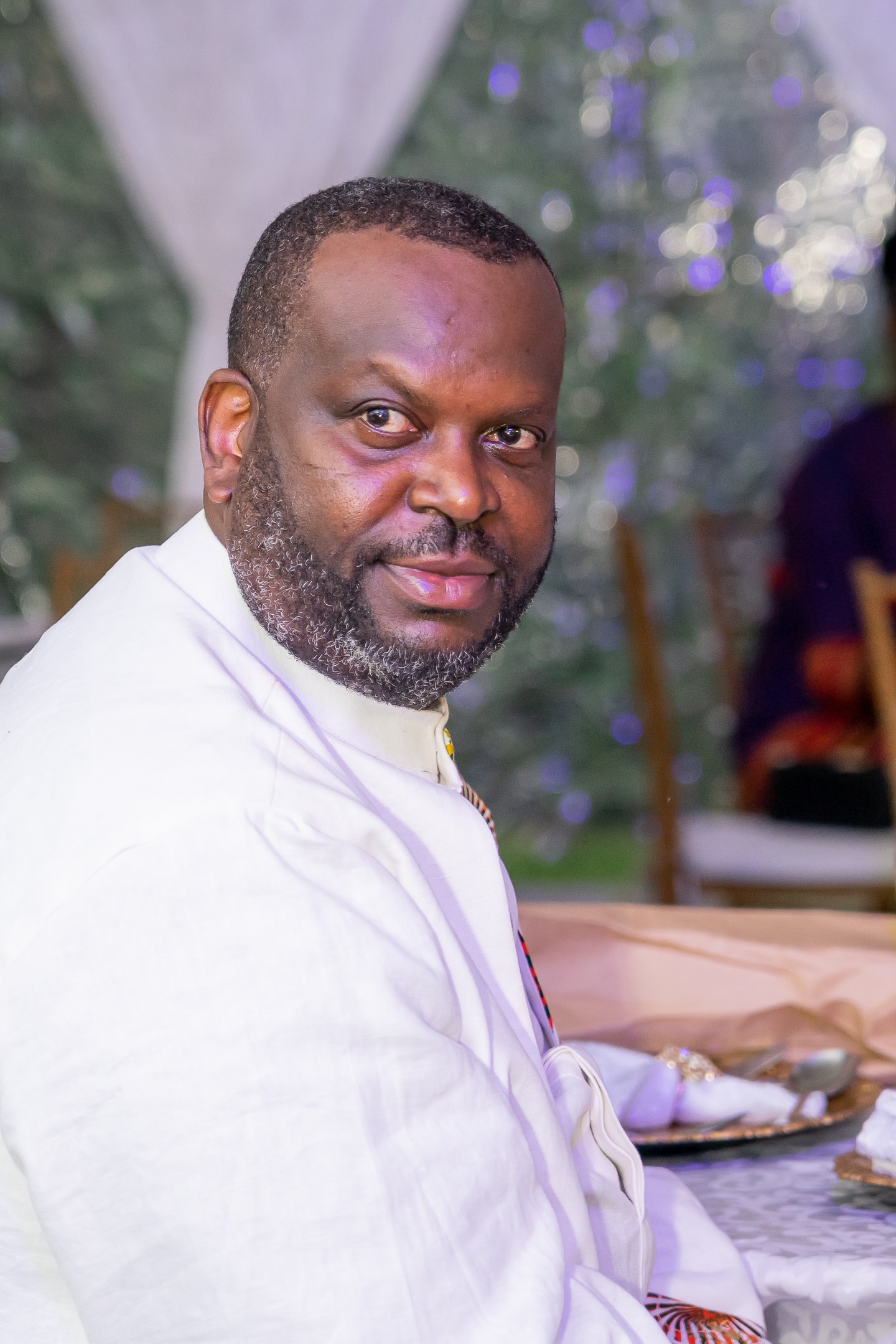
Founder, KML
Eugene Ligale
As the Founder of Kisibo Mugera Limited (KML), Eugene Ligale brings 25 years' worth of experience in the Royal Navy, including redesigning mandatory safety and introducing human factors training for British Maritime personnel (Royal Navy, Royal Marines, Royal Fleet Auxiliary). As a Cultural Specialist advising British military commanders deploying across Africa, he learned something that shapes everything KML does. The most successful operations are never the ones with the most firepower. They are the ones where someone took the time to understand the people and the culture before asking anything of anyone.
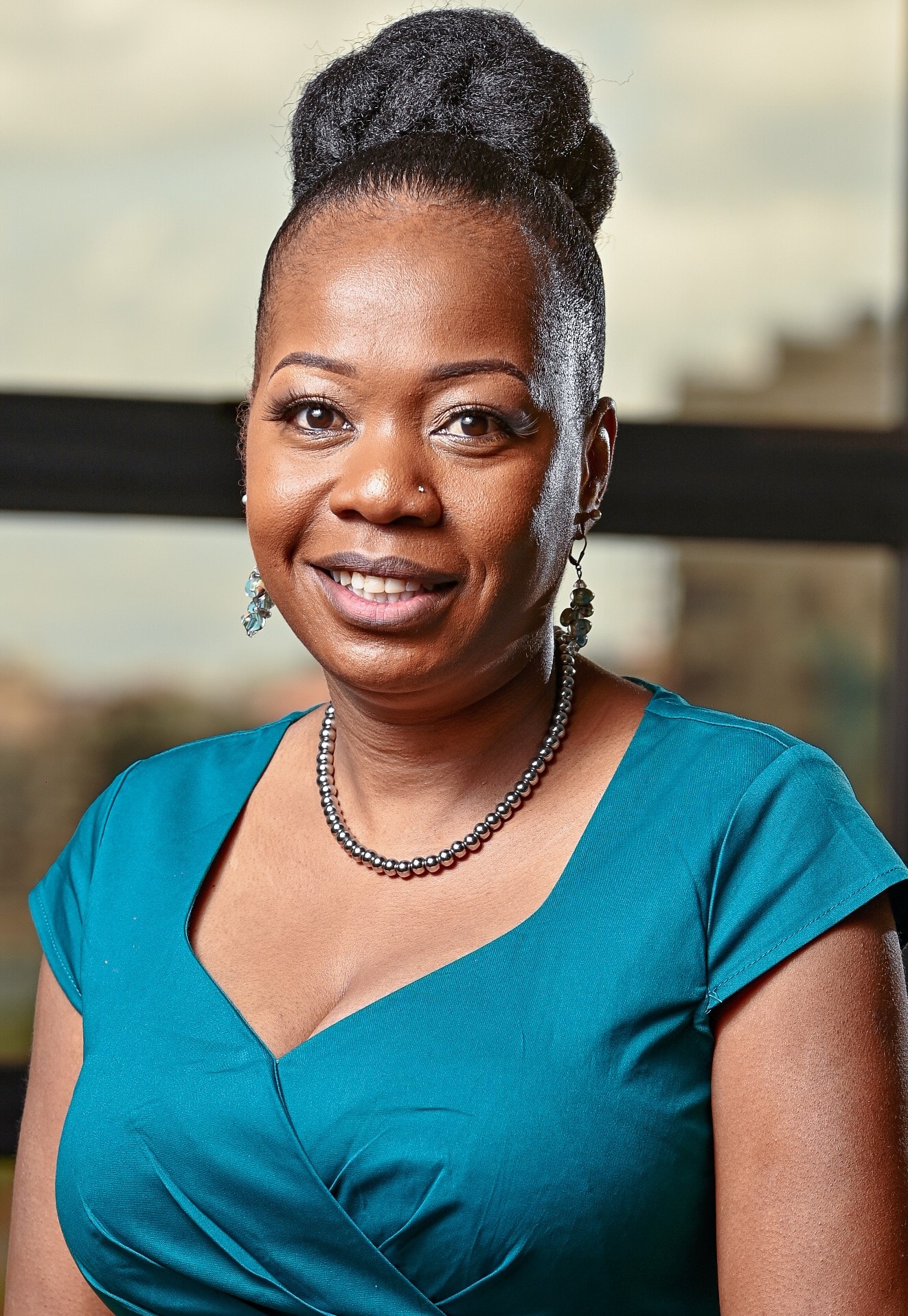
CEO, KML
Faith Ligale
Under Faith Ligale's leadership, Kisibo Mugera Limited (KML) has grown into a trusted partner for organisations seeking to embed excellence into their institutional fabric. With over 25 years of global health experience in both public and private sectors, she has directly and consultatively worked in organisational strategy, design and implementation of global health initiatives focused on health systems strengthening as it links to realizing Universal Health Coverage. Her approach combines rigorous analytical discipline with a deep understanding of how human systems actually function under pressure.
How KML Works
KML works with organisations in healthcare, maritime, aviation, military and other high-risk sectors. The approach is built around the SHELL-C human factors model, which examines how people interact with the systems, environments, tools and cultures around them, and where the mismatches between those things lead to errors and failures. It uses structured improvement methodologies including PDSA to identify problems, test solutions and embed lasting change.
Delivery includes executive leadership workshops, team training, scenario-based learning and ongoing coaching. But the methodology is not the point. The point is the conversation it enables and the culture it helps build.
KML leads with stories, because stories are how people actually learn. It is honest about what goes wrong, because that is where the most useful lessons are. And it works alongside the people in an organisation rather than at them, because that is the only way any of this has a lasting impact.
Change the system, change the culture, and the people will perform.